

Learn About Limu
The Sacred Seaweed of Hawaiʻi
Limu is more than algae. It is a living thread connecting Hawaiian culture, ocean health, and the communities that depend on both.
What Is Limu?
Limu is the Hawaiian word for all forms of aquatic plants and algae — from the delicate strands of limu kohu to the broad blades of limu wawaeʻiole. For over a thousand years, these plants have been central to Hawaiian life: eaten at the table, used in ceremony, woven into medicine, and offered as gifts of aloha.
Today, limu populations across Hawaiʻi have declined dramatically due to coastal development, runoff, invasive species, and warming ocean temperatures. Restoring limu means a heathier ocean, and abundant marine life.

Notable Limu Species
Hawaiʻi is home to over 70 native limu species. Each plays a unique role in the reef ecosystem and Hawaiian culture.
Limu Kohu
Asparagopsis taxiformis
Perhaps the most prized of all Hawaiian limu, kohu is a delicate red algae with a pungent, briny flavor. It is traditionally eaten raw, mixed with sea salt and ʻinamona (roasted kukui nut), and served alongside fish and poi at the Hawaiian table.
Ecological roleCulinary & ceremonial
Limu Manauea
Gracilaria coronopifolia
A bright red, branching algae found in shallow reef flats and fishponds. Manauea is one of the most commonly eaten limu in Hawaiʻi, valued for its crisp texture and mild ocean flavor. It also plays an important role in filtering nutrients from the water.
Ecological roleCulinary & ecological
Limu Wawaeʻiole
Codium edule
A spongy, dark green algae whose name means 'rat's foot' in Hawaiian, describing its distinctive branching form. Wawaeʻiole grows on rocky reef substrates and was traditionally used both as food and in medicinal preparations.
Ecological roleMedicinal & culinary
Limu Lipoa
Dictyota acutiloba
A golden-brown algae with a strong, distinctive aroma. Lipoa is used as a seasoning and flavoring agent in traditional Hawaiian cooking, particularly with raw fish preparations. It is also an important habitat species for juvenile reef fish.
Ecological roleCulinary & habitat
Limu and the Reef Ecosystem
Oxygen Production
Like all photosynthetic plants, limu produces oxygen and absorbs carbon dioxide, helping to buffer ocean acidification and support the respiration of reef fish and invertebrates.
Habitat & Nursery
Dense limu beds provide shelter and feeding grounds for juvenile fish, sea urchins, and invertebrates. Many reef species depend on limu as their primary habitat during early life stages.
Nutrient Cycling
Limu absorbs excess nitrogen and phosphorus from coastal runoff, acting as a natural water filter. Healthy limu populations help prevent algal blooms that can smother coral.
Food Web Foundation
Limu forms the base of the nearshore food web, feeding sea urchins, sea turtles, fish, and the humans who have harvested these waters for generations.
Limu in Hawaiian Culture
In traditional Hawaiian society, limu was gathered by skilled harvesters who knew each species by name, season, and location. This knowledge — passed from kūpuna to keiki — was as valuable as any fishing technique or agricultural skill.
Limu appeared at the luʻau table, in the medicine chest, and in the hands of those performing ceremony. Certain species were reserved for offerings to the gods; others were given as expressions of aloha between families. The gathering of limu was itself a spiritual act — a conversation between people and the sea.
The decline of limu is not only an ecological loss. It is a cultural wound. Restoring limu to our coastlines means restoring the practices, the knowledge, and the relationships that have sustained Hawaiian communities for over a thousand years.
To restore limu is to restore memory — the memory of the reef, and the memory of who we are.
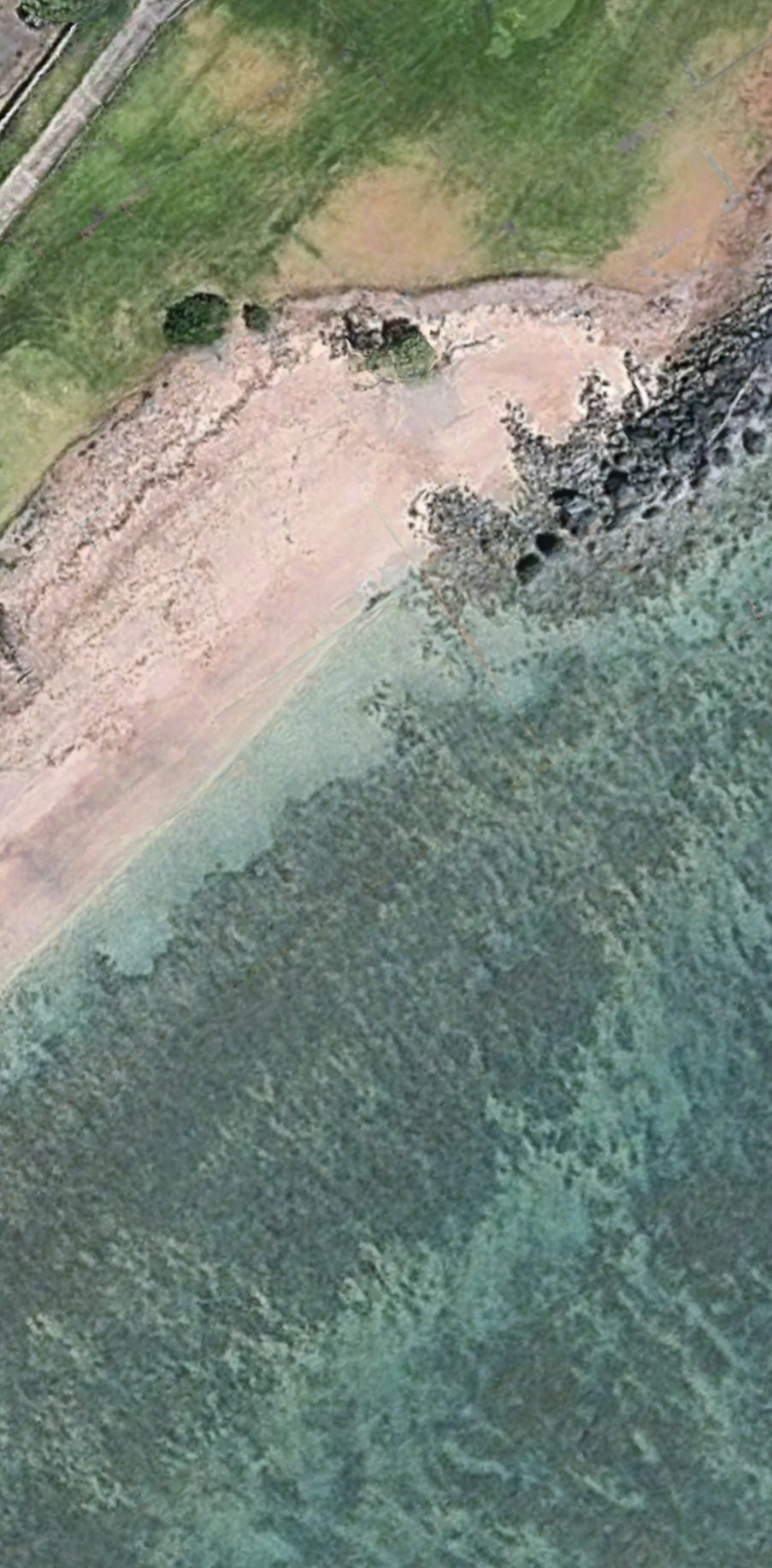
The Science of Restoration
Bringing limu back requires understanding why it disappeared — and working with the ocean, not against it.
Site Assessment
Nursery Cultivation
Planting
Monitoring & Stewardship
Limu Varieties of Hawaiʻi
A closer look at some of the remarkable limu species found in Hawaiian waters — each with its own form, color, and role in the reef community.
Limu Kohu
Asparagopsis taxiformis
A feathery red algae prized above all others in Hawaiian cuisine. Its delicate, pom-pom-like fronds release a pungent, briny aroma when crushed. Traditionally eaten raw with sea salt and ʻinamona.
ColorDeep crimson to rose-pink
HabitatShallow reef flats and surge zones
Limu Manauea
Gracilaria coronopifolia
Bright red and branching, manauea is one of the most widely eaten limu in Hawaiʻi. It thrives in fishponds and shallow reef flats, valued for its crisp texture and mild ocean flavor.
ColorBright red to burgundy
HabitatFishponds, reef flats, calm bays
Limu Wawaeʻiole
Codium edule
Named 'rat's foot' for its distinctive forked, spongy branches. This dark green algae grows on rocky reef substrates and was used both as food and in traditional medicine.
ColorDark forest green
HabitatRocky reef substrate, moderate depth
Limu Lipoa
Dictyota acutiloba
A golden-brown algae with a strong, distinctive aroma used as a seasoning in traditional Hawaiian cooking. Its flat, branching blades also provide important habitat for juvenile reef fish.
ColorGolden brown to olive
HabitatReef flats and rocky shores
Limu Palahalaha
Ulva fasciata
A bright green, sheet-like algae related to sea lettuce. Palahalaha grows in shallow, sunlit waters and is one of the most visible limu on Hawaiian reefs. It is eaten fresh and is an important food source for sea turtles.
ColorBright emerald green
HabitatShallow reef, tide pools, rocky shores
Limu Ogo
Gracilaria salicornia
A jointed, cylindrical algae introduced to Hawaiʻi in the 1970s for aquaculture. While widely eaten today, ogo has become invasive on some reefs, smothering native limu and coral. Understanding its spread is part of restoration work.
ColorYellow-green to orange
HabitatReef flats, can form dense mats
Be Part of the Restoration
Join a hands-on experience and help bring limu — and the reef — back to life.
Join an Experience