
Hawaiian Traditions
Hau & the Limu Lei
The hau tree and the limu of the sea come together in one of Hawaiʻi's most beloved lei-making traditions — a living expression of aloha for the land and ocean.
The Hau Tree
Indigenous (formerly Polynesian introduced)
0–1,000 ft
Up to 25 ft tall, up to 30 ft spread
Hau in the Landscape
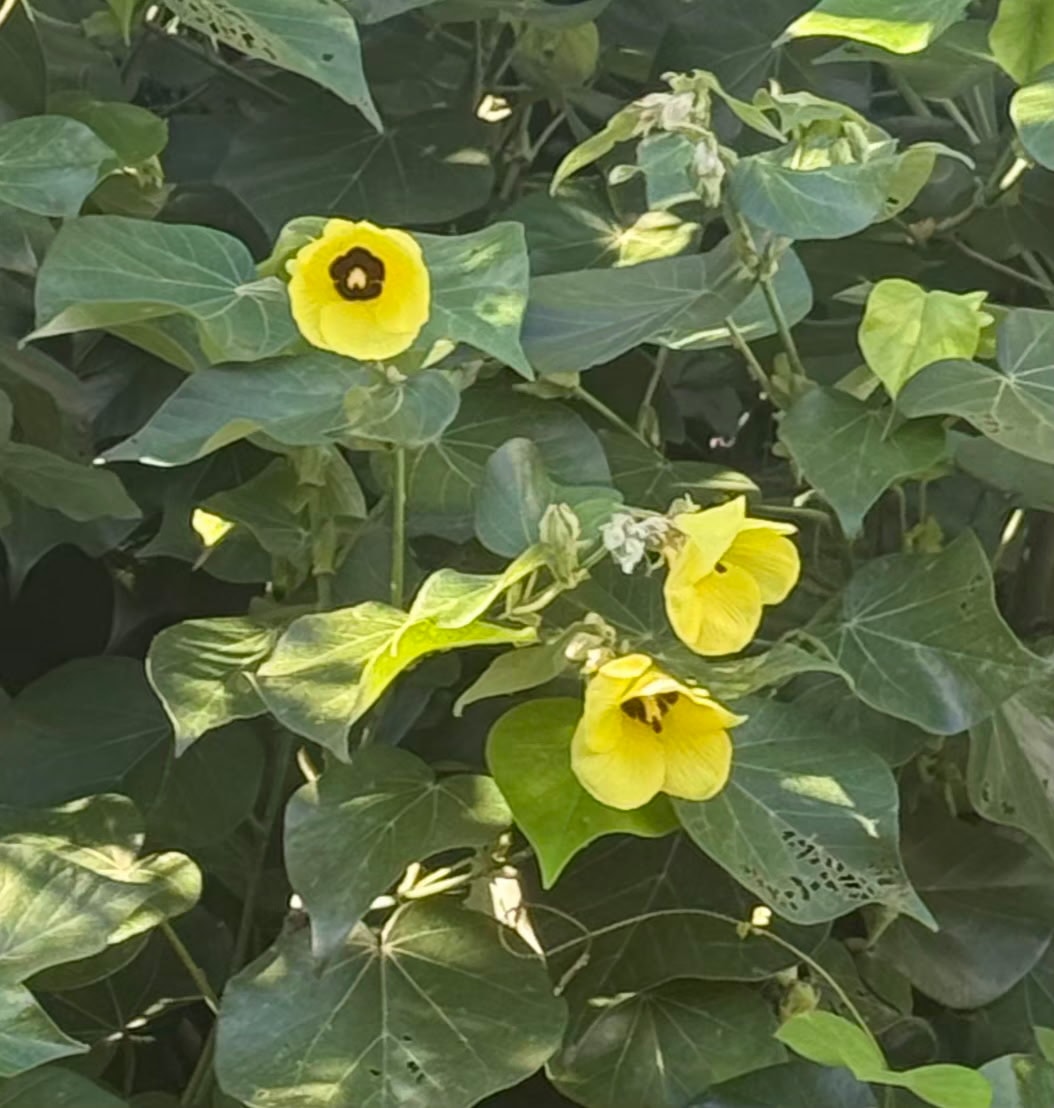
Hau thicket with flowers which will turn red in the afternoon.
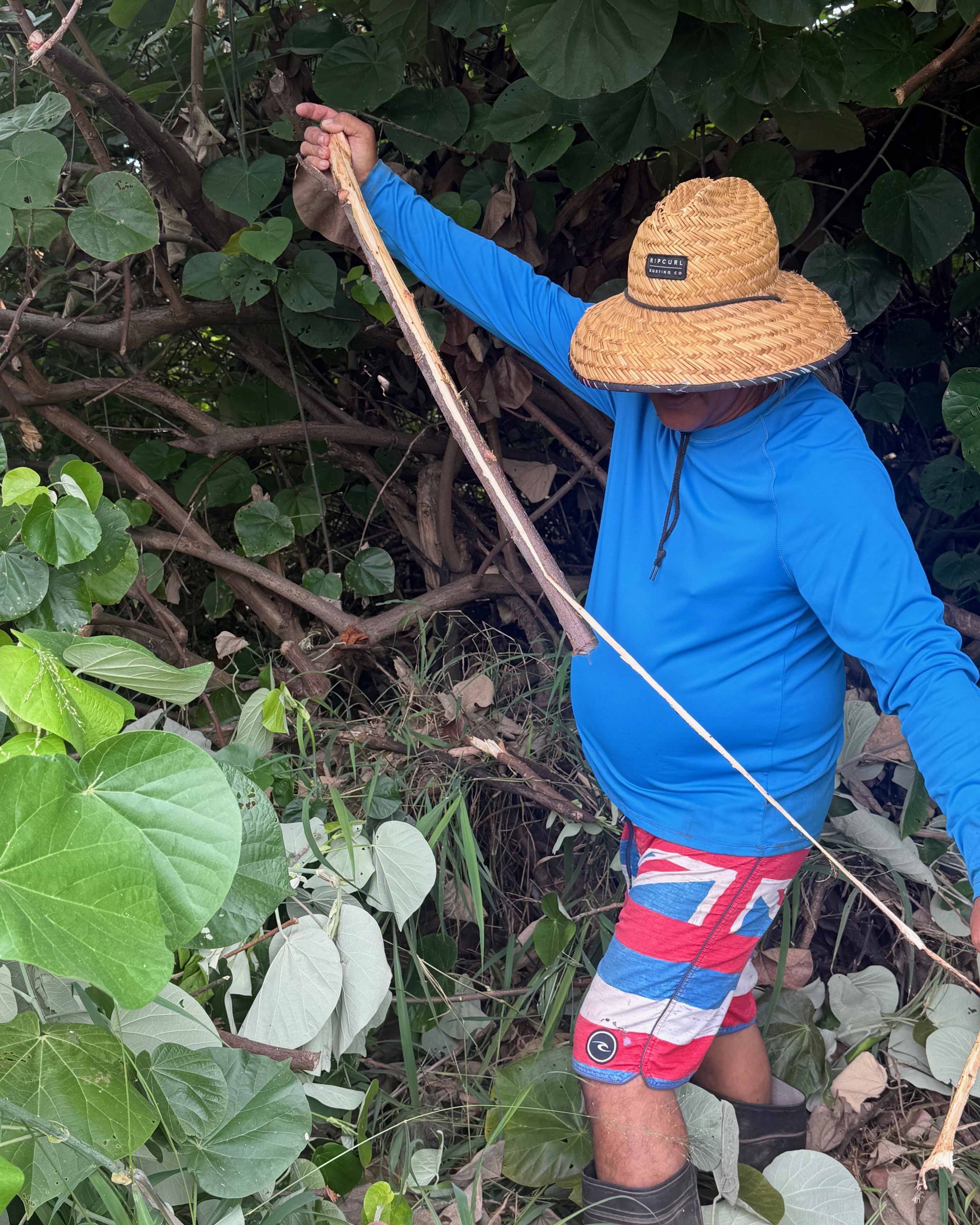
Stripping bark from Hau
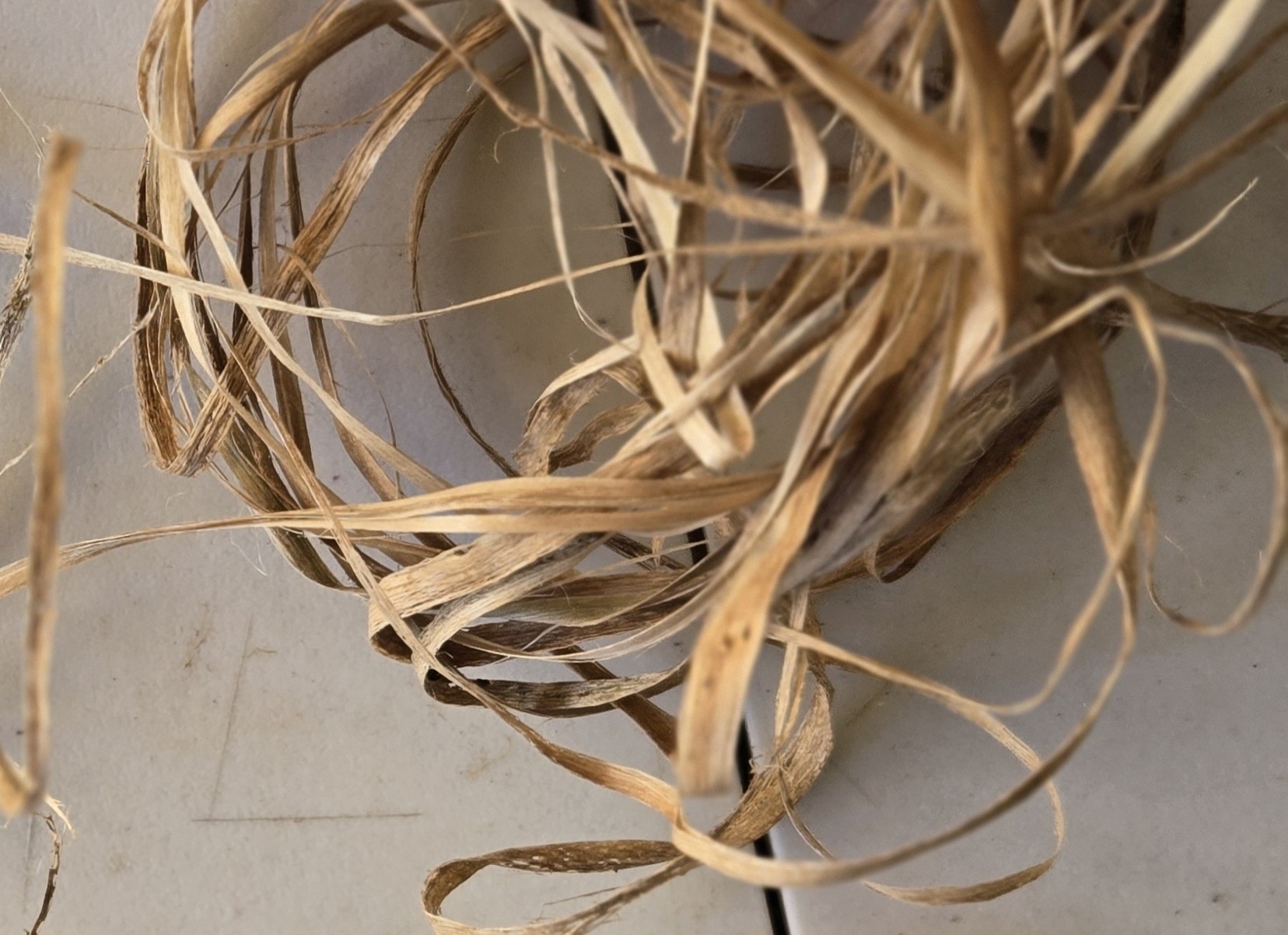
Hau bark fiber, traditionally used for cordage
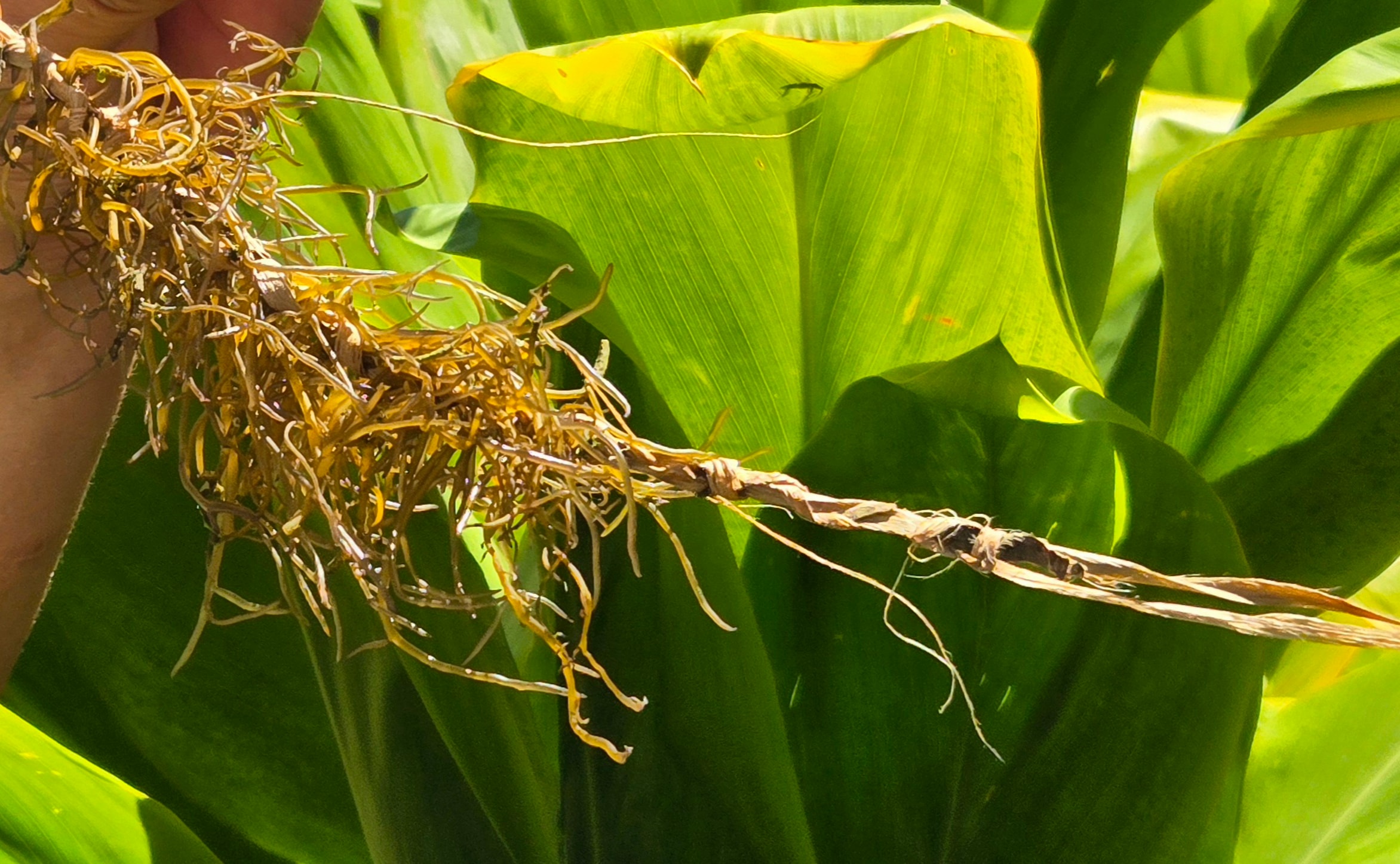
Limu lei, using hau twine.
Weaving Hau & Limu Together
The limu lei is a uniquely Hawaiian tradition that honors both the land and the sea. Unlike flower lei, limu lei are made from fresh seaweed gathered from the reef — most often limu kohu, limu manauea, or limu lipoa — woven or braided with natural cordage made from hau bark fiber.
The hau provides the structure: strips of inner bark are soaked in water until pliable, then twisted into a soft, strong braid that holds the limu in place. The result is a lei that carries the scent of the ocean and the texture of the reef — cool, fragrant, and deeply connected to place.
Limu lei were traditionally given as expressions of aloha, worn at ceremonies, and offered at the water's edge. They are perishable by nature — meant to be returned to the sea when the occasion has passed, completing the cycle of giving and receiving that defines the Hawaiian relationship with the ocean.
A limu lei is a gift from the reef, held together by the forest — the ocean and the land, braided as one.
How a Limu Lei Is Made
A traditional limu lei requires patience, knowledge of the reef, and respect for what is gathered.
Gather the Hau Bark
Strips of inner hau bark are carefully harvested from young branches, then soaked in fresh water until soft and pliable. This fiber forms the braided foundation of the lei.
Harvest the Limu
Fresh limu is gathered from the reef at low tide — only what is needed, leaving the rest to grow. The species chosen depends on the occasion, the season, and what the reef offers.
Braid and Weave
The hau fiber is braided or twisted (wili) into a cord. The limu is woven in — tucked, wrapped, and secured so each piece holds its place. The lei takes shape slowly, with care.
Gift and Return
The finished lei is given with aloha. When its time has passed, it is returned to the sea — a practice of reciprocity that honors the reef and the tradition.
Learn to Make a Limu Lei
Join one of our hands-on cultural experiences and learn this tradition directly from those who carry it.